
Sale products
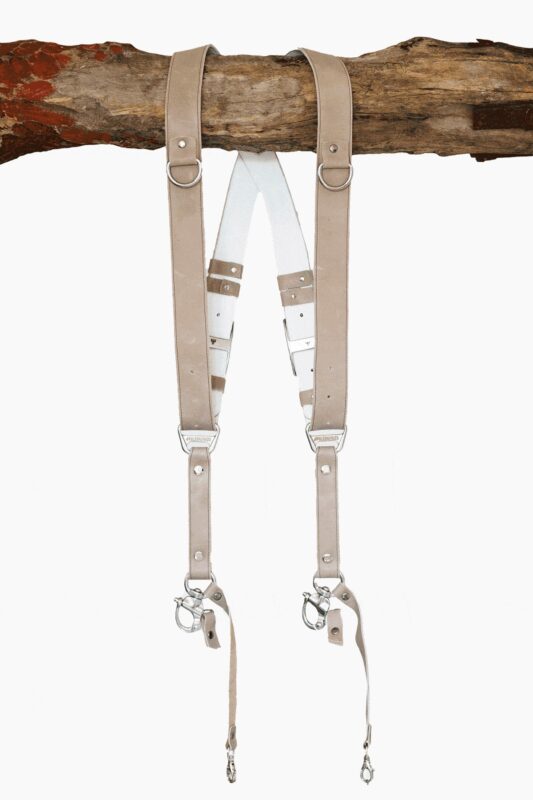
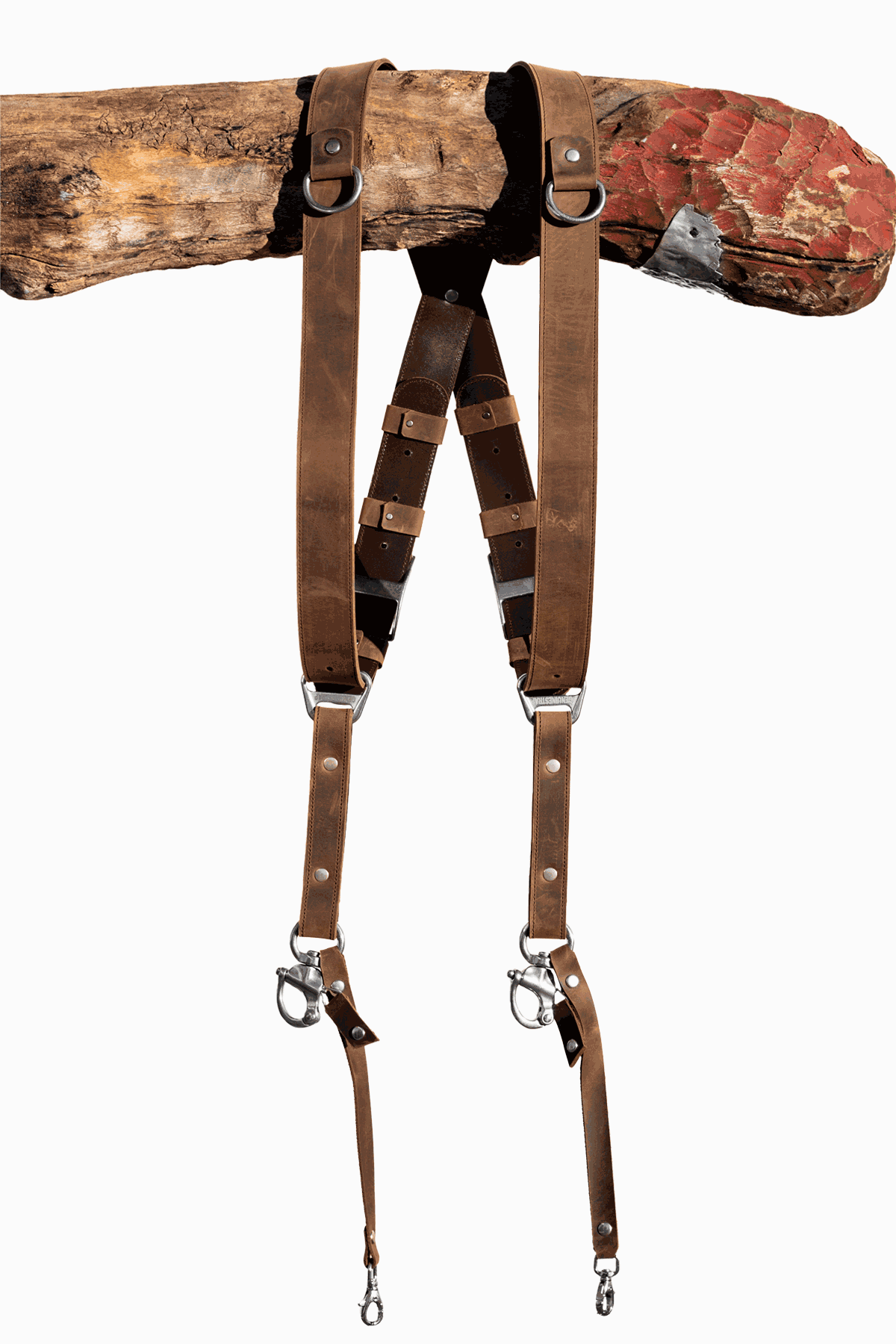
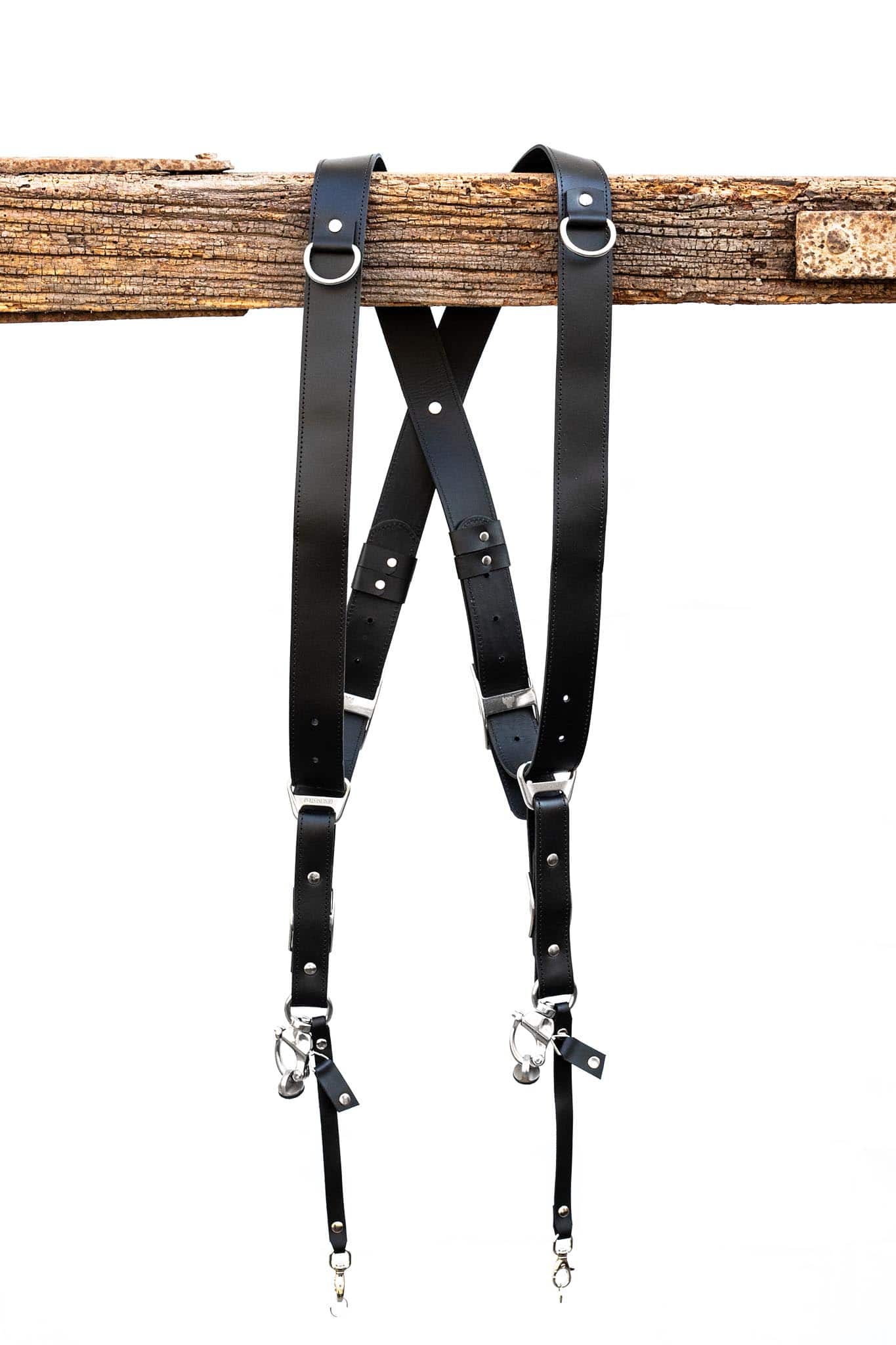
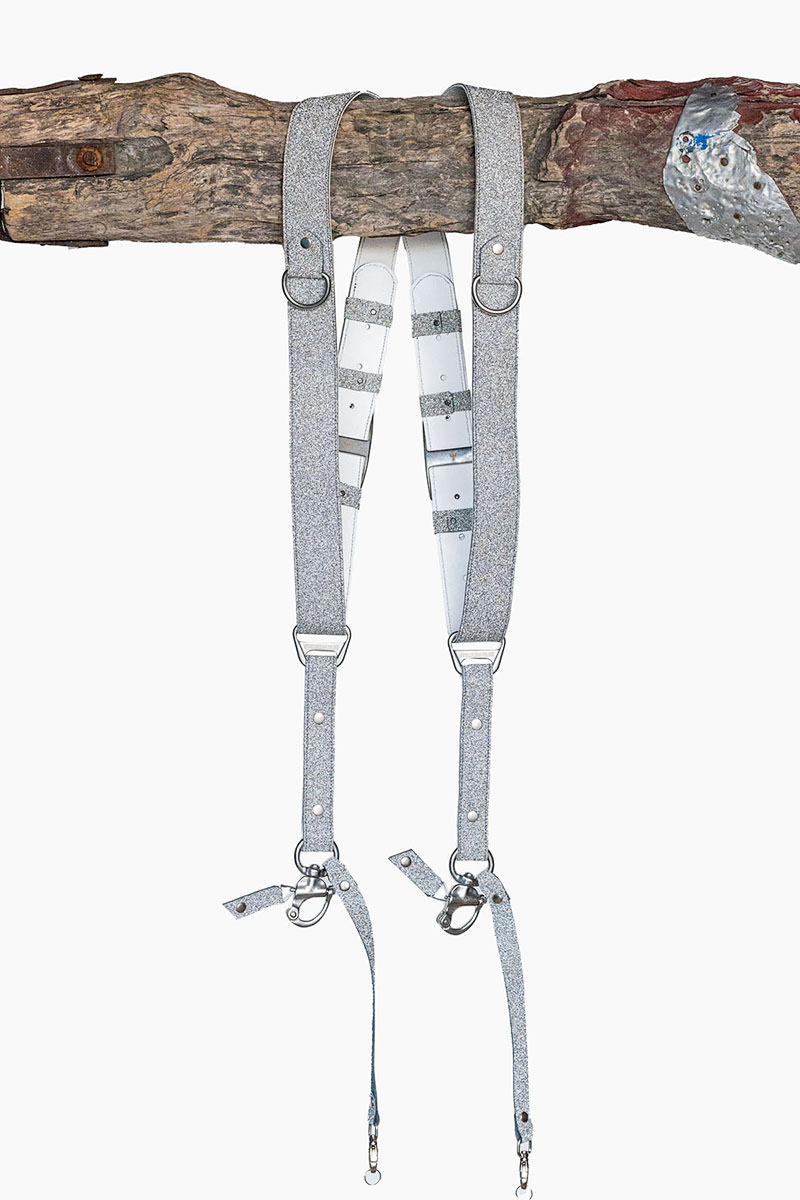
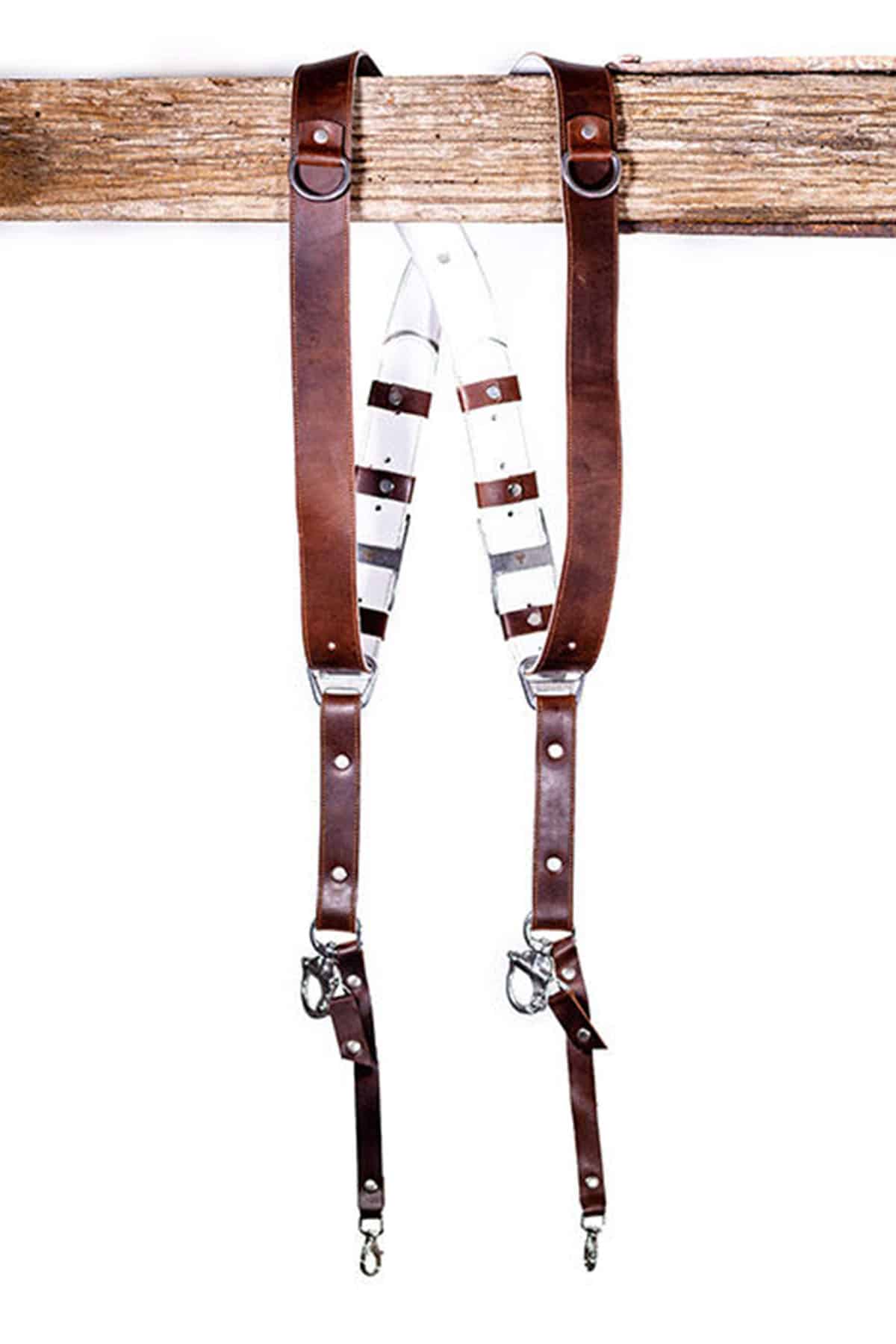
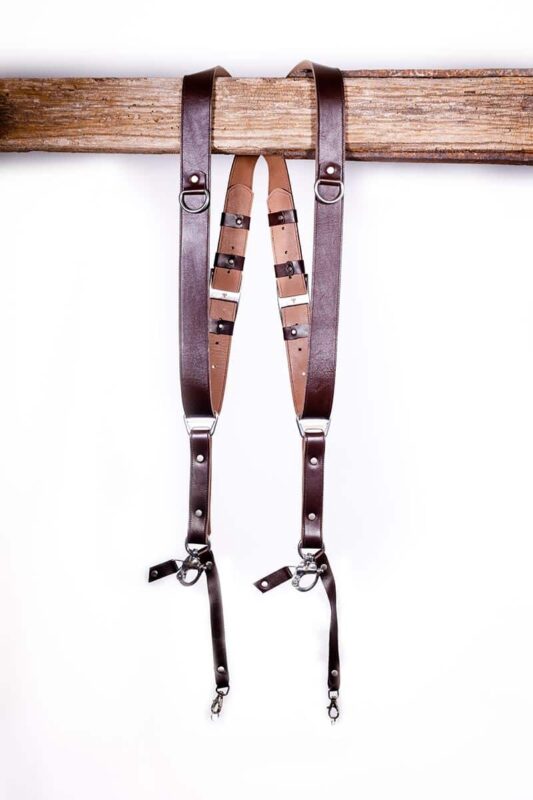
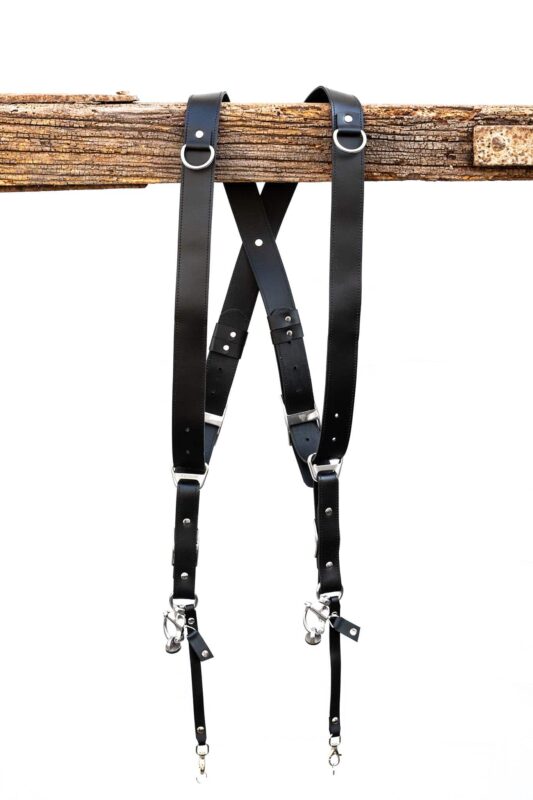
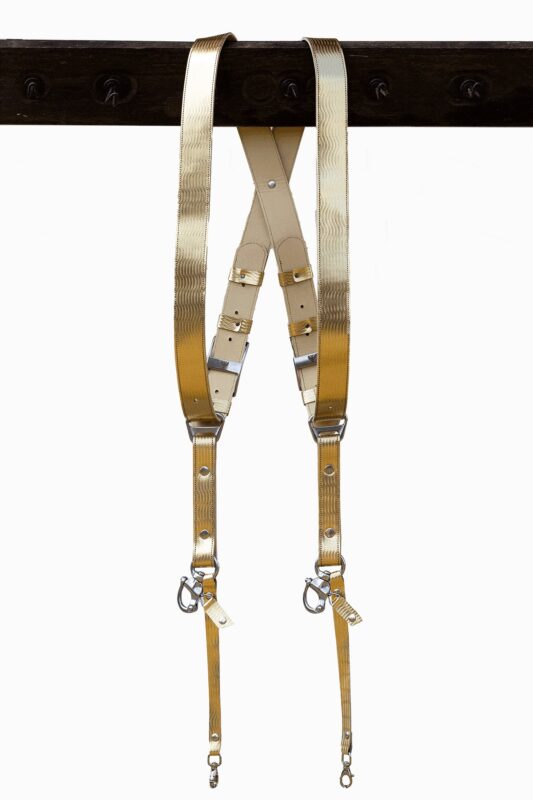
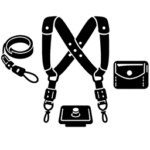
Sabbia Vintage Camera Harness
Original price was: 220.00 €.199.00 €Current price is: 199.00 €.
LEATHER STRAP & HARNESS

Mexico City doesn’t wait. Between a taco stand and an impromptu religious procession, you have to be quick, inconspicuous, and have your camera ready at just the right moment.
A practical guide to street photography in Mexico City: the best neighborhoods, the right times, the gear that lets you move around unnoticed, and practical tips gathered from documentary photographers who regularly work in CDMX.
"CDMX is a city where the light, colors, and faces change every 200 meters. You have to be prepared and quiet." Documentary Photographer, 2024
Mexico City is huge: over 20 million inhabitants, 16 districts, an architectural mix ranging from the Aztecs to Brazilian-style Bauhaus. For street photography, you can’t ‘do it all.’ You have to choose.
The five neighborhoods to start with: Centro Histórico for the harsh afternoon light and the masks of the santeros, Coyoacán for portraits in the Frida Kahlo-themed craft shops, La Roma and La Condesa for modern design, Tepito for the rawest documentary photography, Xochimilco for the color of the chinampos in the morning.
Work by area, not by list. Head out to one neighborhood at a time with half a day ahead of you.
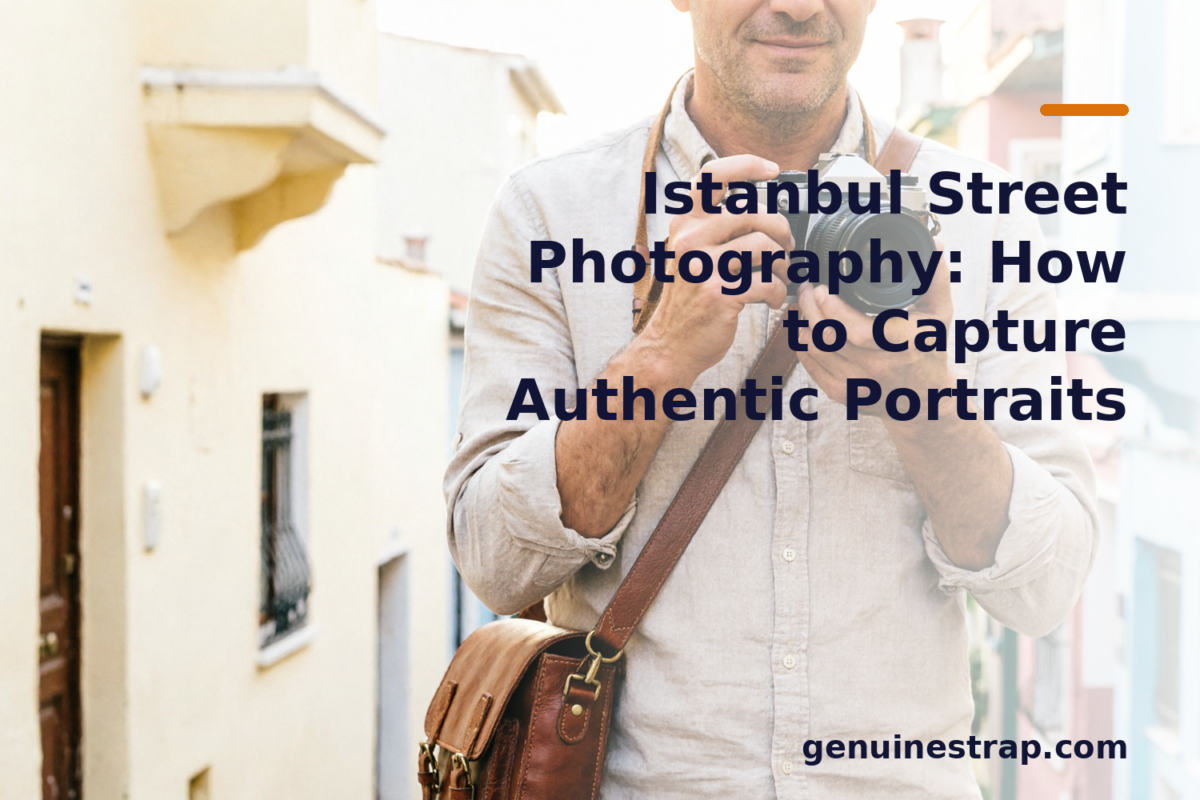
No technical gear like a TV photojournalist. A plain shirt, jeans, comfortable shoes. A dark leather shoulder bag that doesn’t scream “professional photographer”: you’ll go unnoticed, and your subjects will stay natural.
A mirrorless camera with a 35mm or 50mm prime lens. No bulky zoom lenses, no cumbersome camera backpack. A single-strap bag lets you sling the camera low on your hip and walk without drawing attention.
In CDMX, the best gear is the gear you can’t see. A DSLR with a 70-200mm telephoto zoom lens will shut down any conversation before it even starts.
The best light: sunrise (6:308:00 a.m.) and the afternoon golden hour (5:007:00 p.m.). At midday, the sun is too high, and shadows are short-lived. Adapt your shooting schedule to the times of day, not the other way around.
'Buenas tardes, le puedo tomar una foto?' opens more doors than 10 new lenses. Authentic street photography in CDMX is done with consent when you can and with speed when you must.
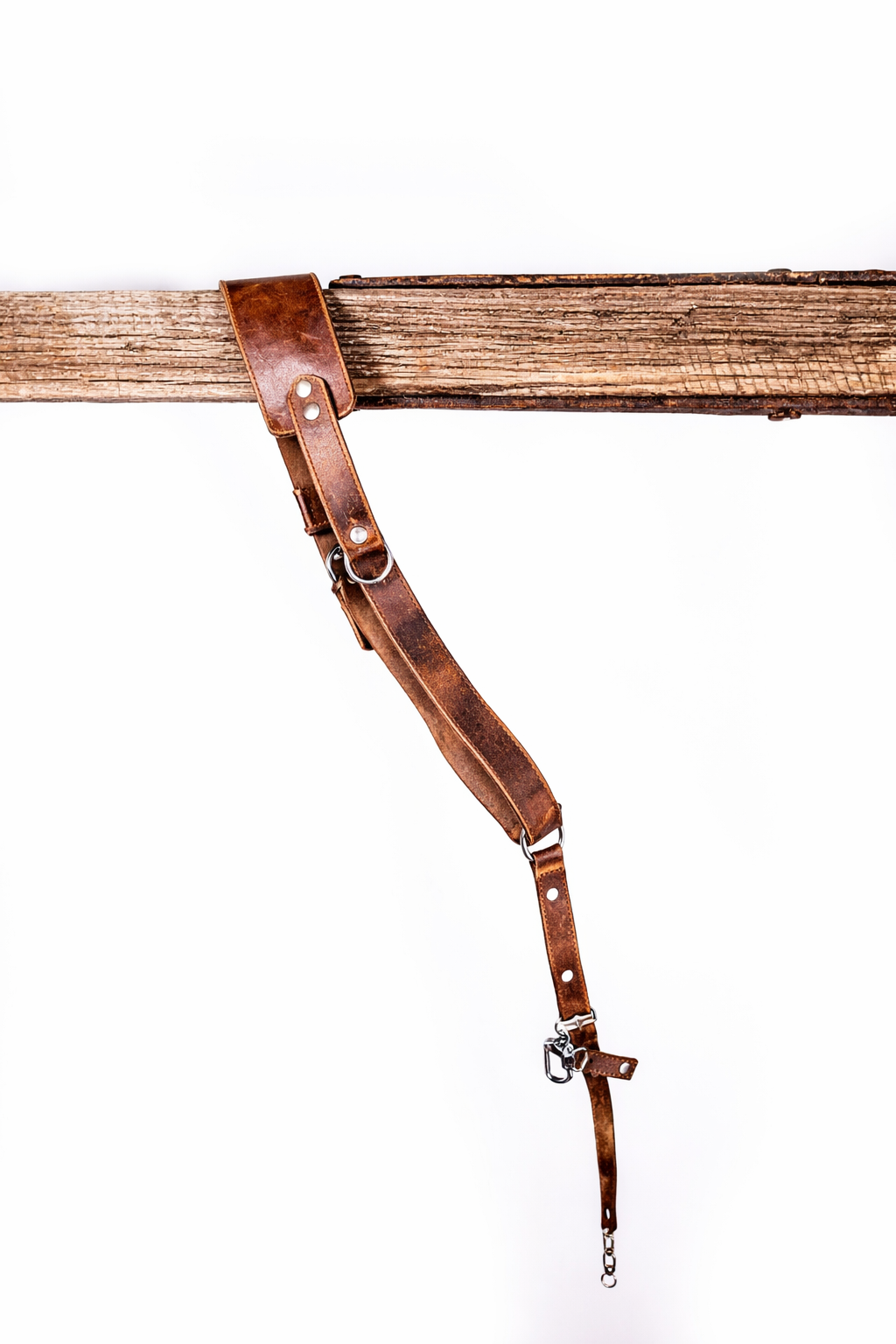
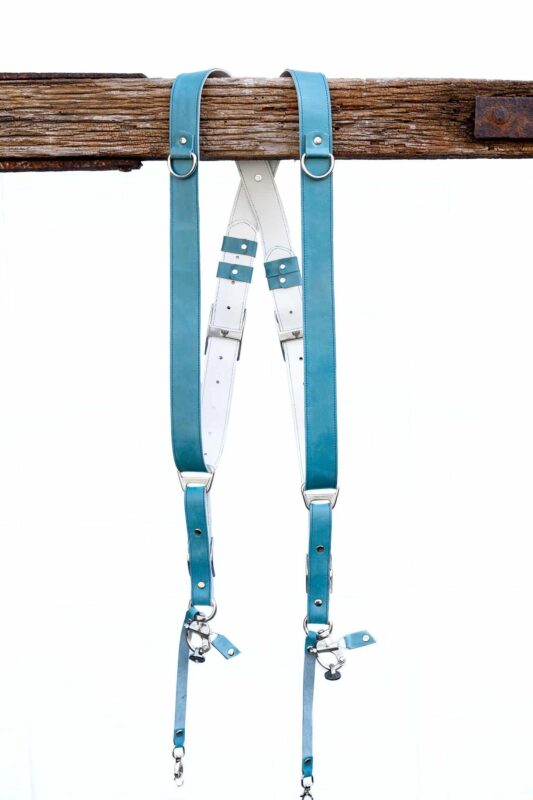
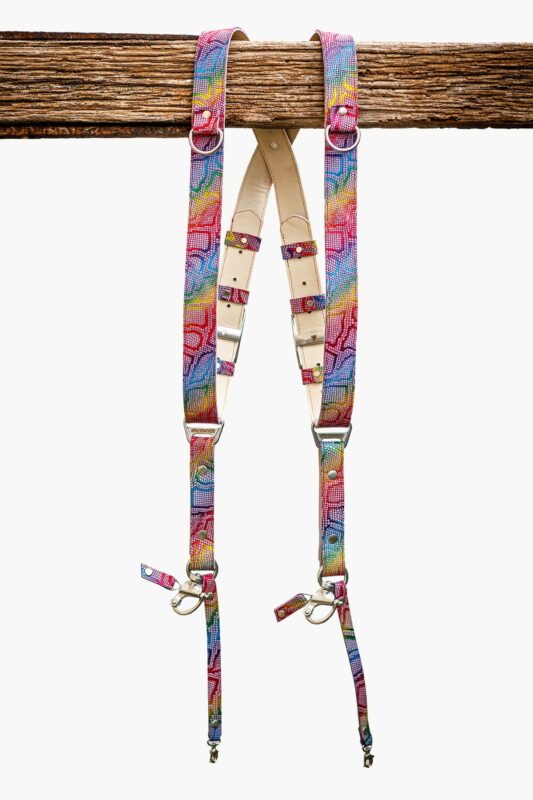
CDMX is safer than the international press makes it out to be, but it remains a metropolis of 20 million. Use straps with locks, controlled quick-release mechanisms, and never leave cameras on outdoor tables. A leather shoulder strap properly attached to the D-ring gives you hands-free freedom and keeps your gear securely fastened to your body.
| Item | Recommended | Avoid |
|---|---|---|
| Camera | Compact mirrorless | DSLR with long telephoto lens |
| Lens | 35mm or 50mm prime | 70-200mm zoom |
| Bag | Small crossbody | Technical camera backpack |
| Shoulder strap | Dark, durable leather | Brightly colored nylon |
| Clothing | Neutral shirt, jeans | Multi-pocket vest |
Flight Rome-Mexico City: 600900 euros round-trip. Accommodation in Rome or Condesa (the best neighborhoods to stay in): 5080 euros/night on Airbnb. Excellent local food at 1015 euros/meal. Transportation: affordable Uber, metro 5 pesos.
Documents: passport valid for 6 months beyond the return date; no tourist visa required for stays under 180 days. No mandatory vaccinations; hepatitis A is recommended.
Best time to visit: NovemberApril (dry season), with the highlight being Día de los Muertos (October 31November 2). During this period, CDMX offers some of the most spectacular street photography scenes on the planet.
Día de los Muertos in CDMX is considered by documentary photographers to be the single event in the world with the most photo opportunities. 3 days, 5,000 photos.
NovemberApril for the dry season. OctoberNovember for Día de los Muertos: street photography featuring the masks is one of the city’s most unique moments.
Yes, in tourist neighborhoods and central districts during the day. At night and in some outlying areas, it’s best to be accompanied. Always use a camera strap with a safety clasp.
Street photography in Mexico City requires preparation, the right gear, and respect for the city. Travel light, dress neutrally, and always say thank you.
Equipment doesn’t make the photographer, but the right leather camera strap lets you work 10 hours without noticing and return home with your camera intact. GoLatin America is full of stories to tell.
No account yet?
Create an Account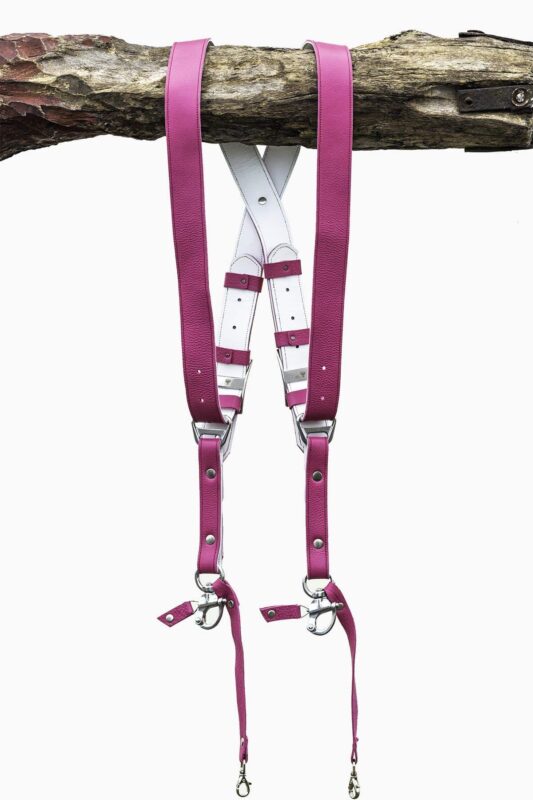

















 Camera Straps Single
 Camera Straps Neck
 Camera Straps Wrist
 Other Camera Accessories
 Home Decor
 Mouse Pads
 MacBook Sleeves
 Desk Mats
 Bottle Lamps
 Edison Lamps
 Belts
 Bow Ties
 Keychains
 Wedding & Formal
 Camera Bags
 Belt Pouches
 Handbags
 Wallets & Cases
 USB Stick
 Engraved Panoply
 Engraved Icons