

Sale products
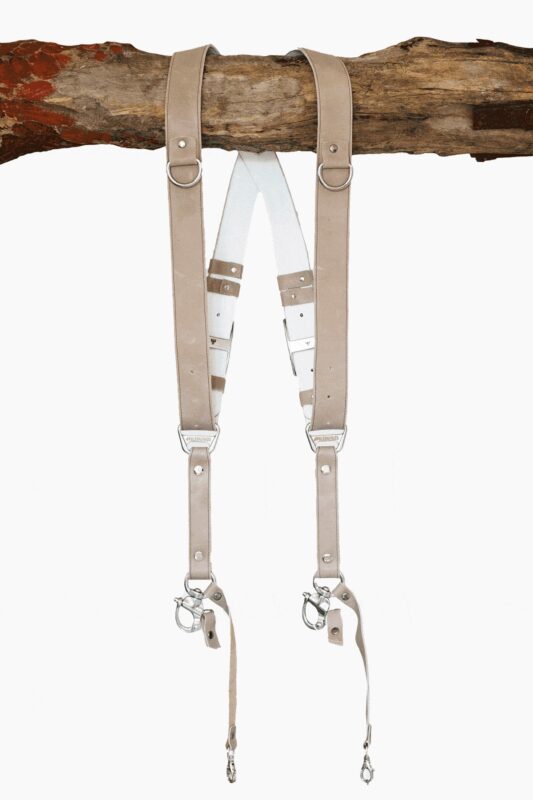
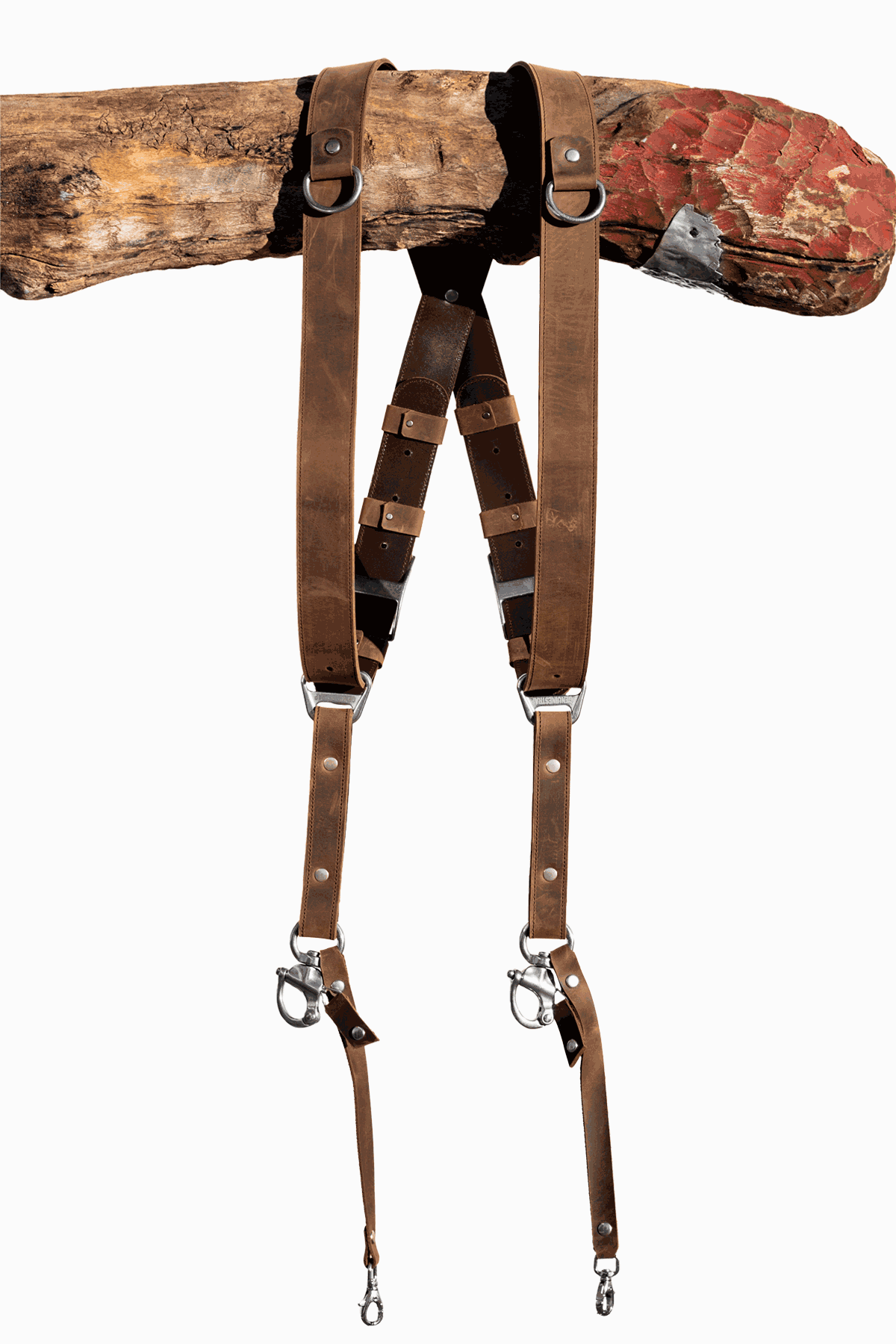
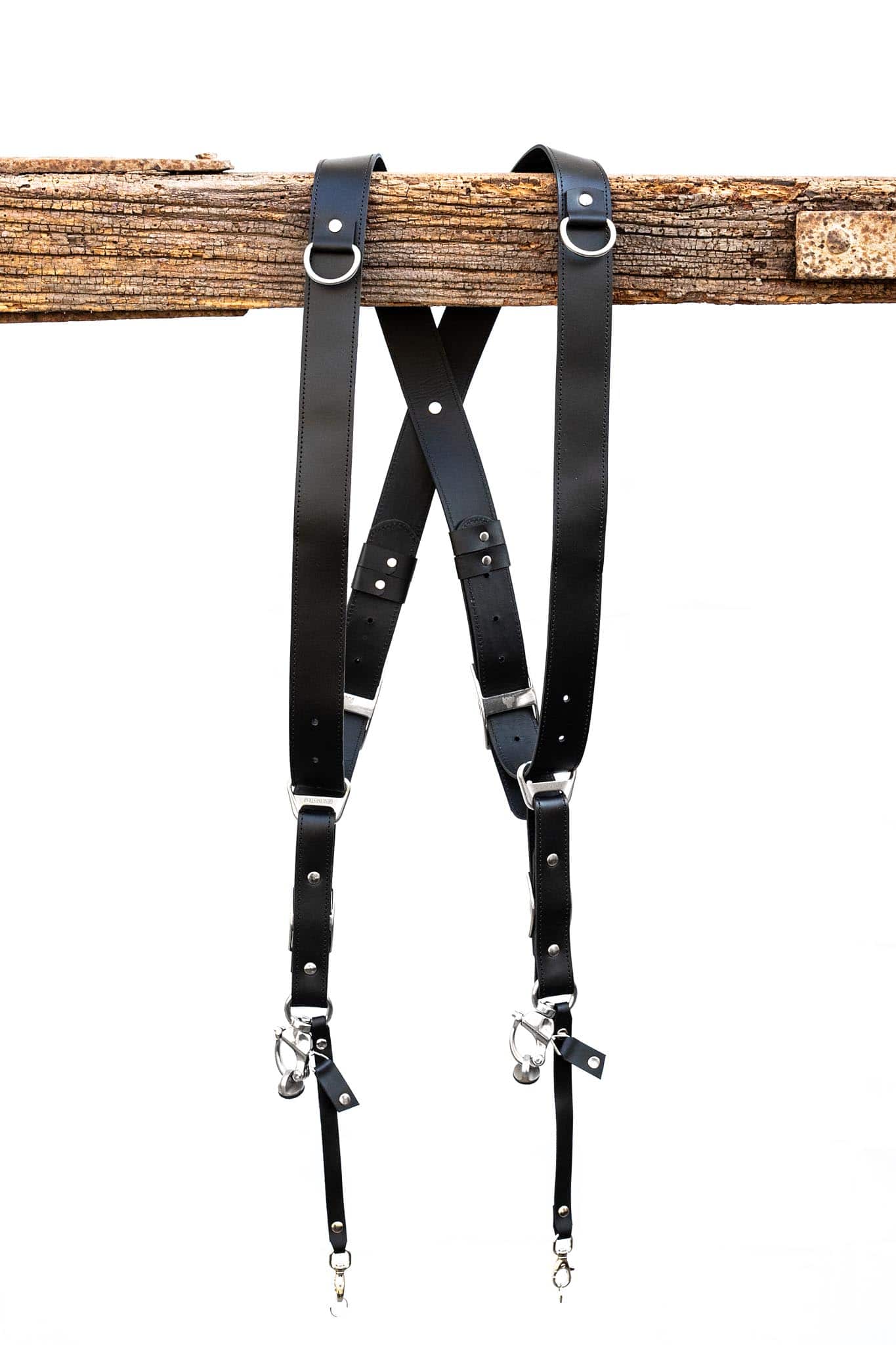
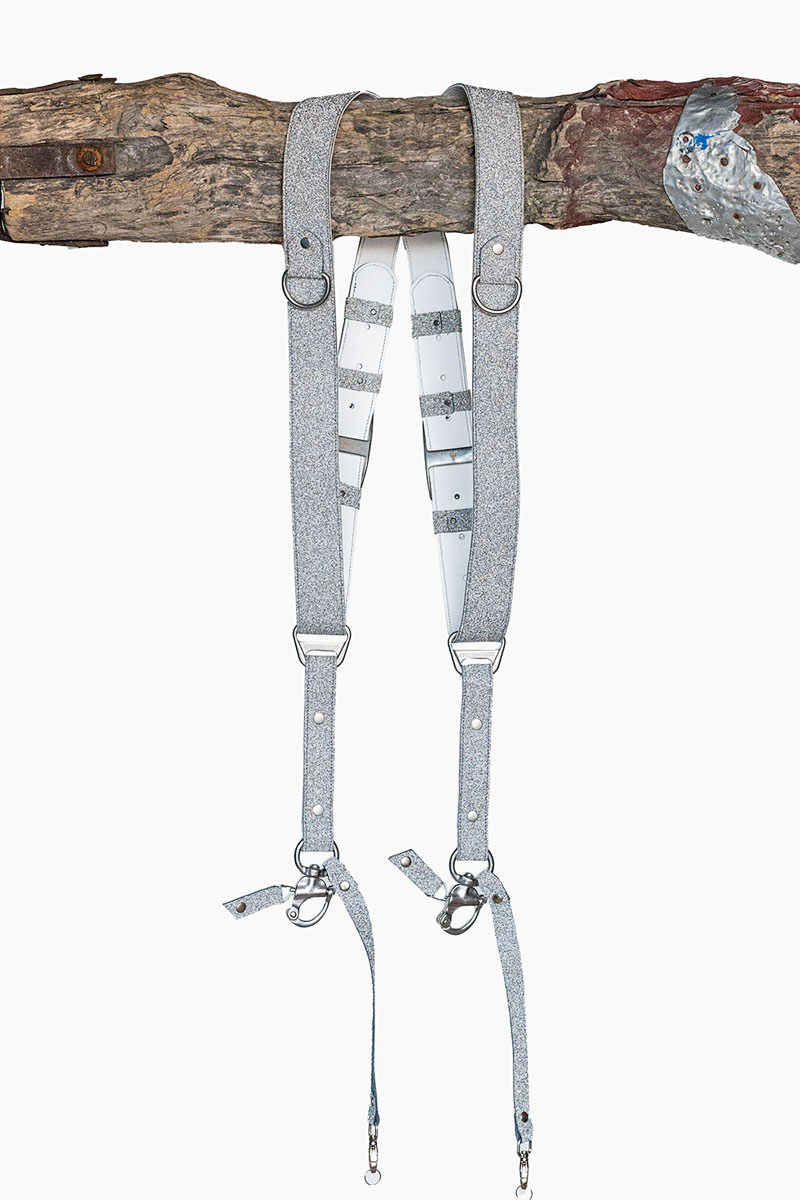
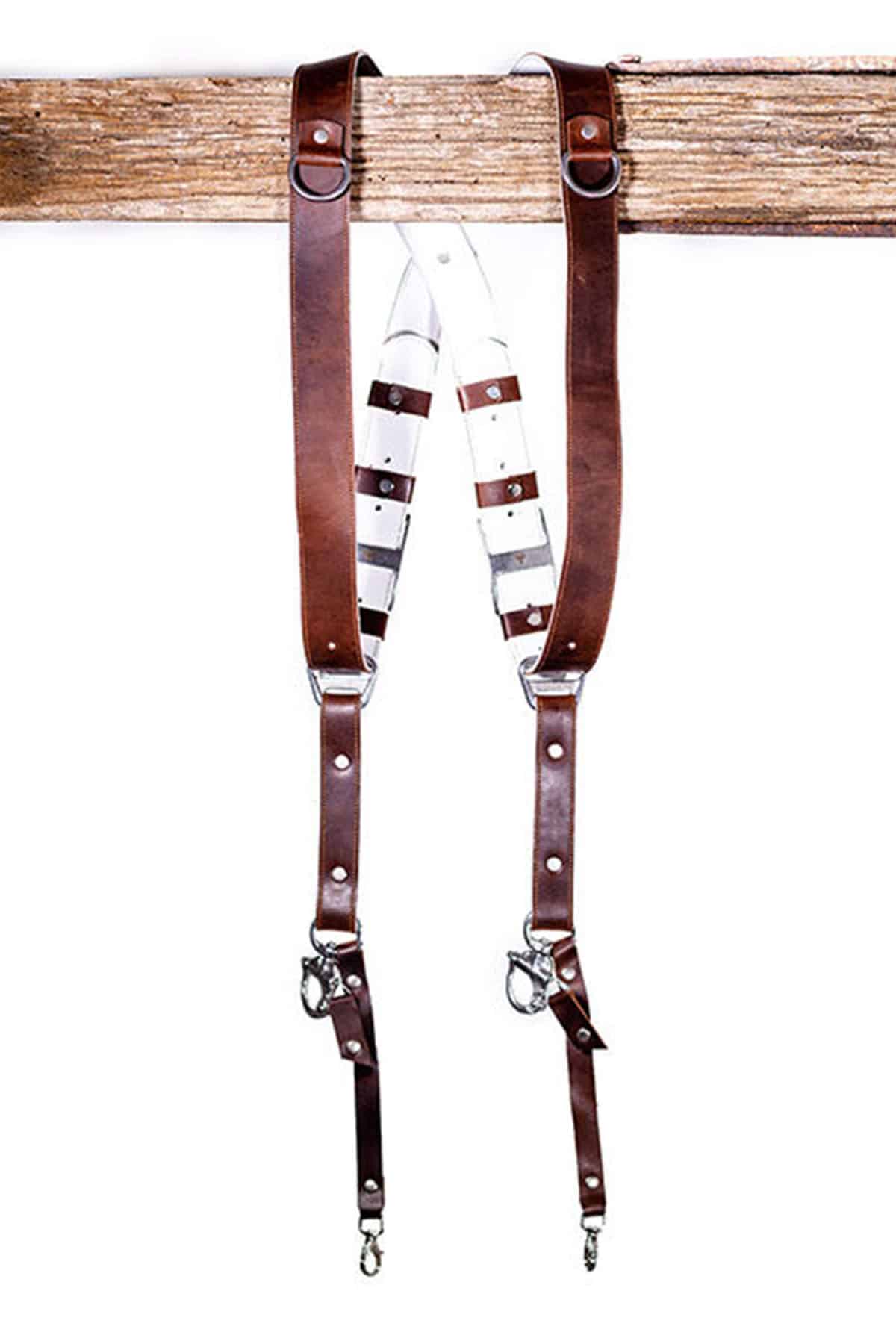
Sabbia Vintage Camera Harness
Original price was: 220.00 €.199.00 €Current price is: 199.00 €.
LEATHER STRAP & HARNESS
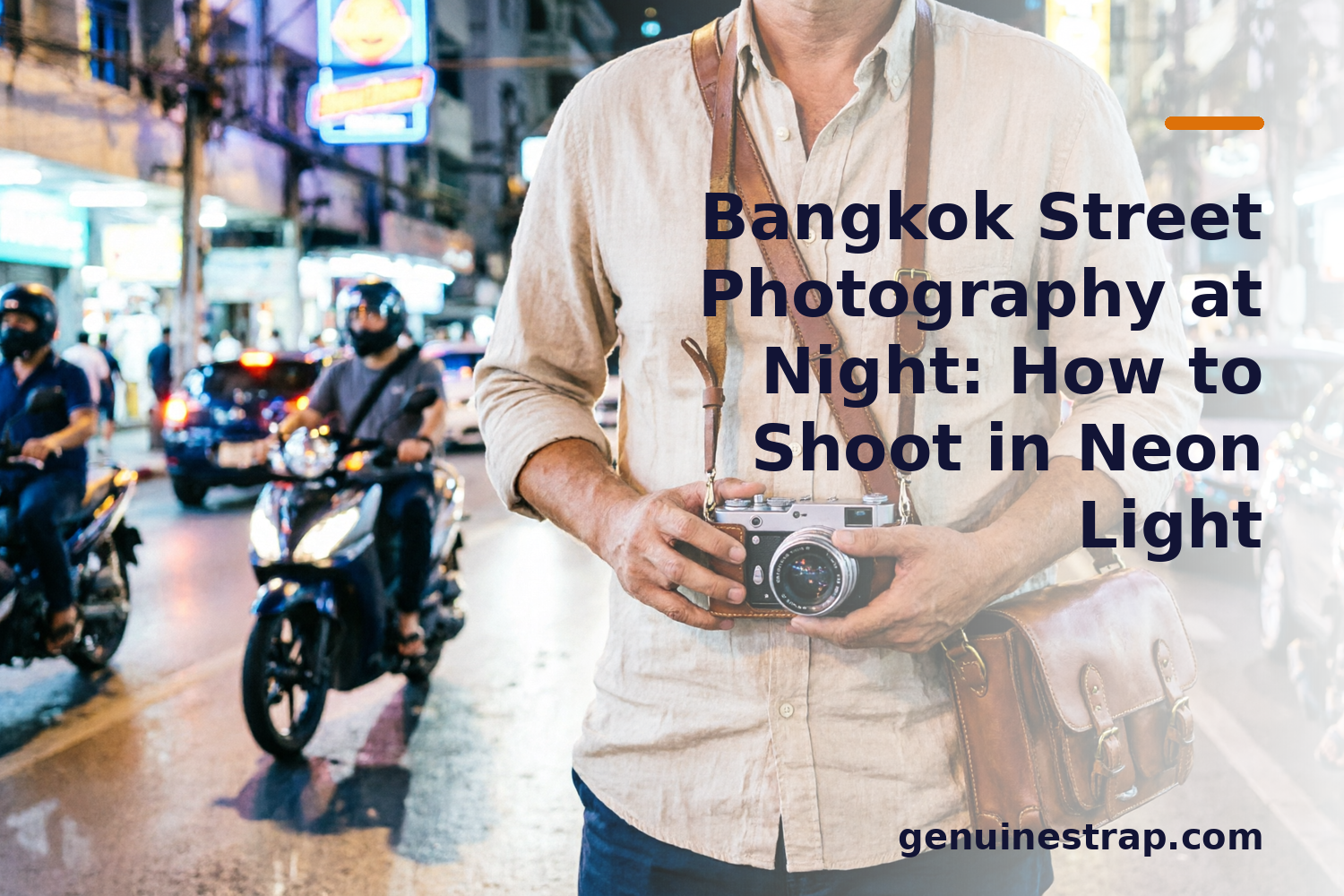
Bangkok after sunset is a sensory overload. Neon lights reflecting in puddles of tropical rain, scooters that smell more of engine oil than they sound. Street photography here isn’t something you think aboutit’s something you feel.
A practical guide to street photography in Bangkok at night: the neighborhoods to visit, camera settings, the right gear, and the three mistakes everyone makes the first time. Insights from a photographer who works regularly in Southeast Asia.
"Bangkok at night is like being inside a Wong Kar-wai film with the volume turned up all the way. You have to be quick, light on your feet, and trust high ISO." Documentary photographer, Southeast Asia
Bangkok at night revolves around four main neighborhoods: Yaowarat (Chinatown), Khao San Road, Soi Cowboy, and the night markets of Rod Fai or JJ Green.
Yaowarat is the realm of neon-lit street food: stalls cooking until 2:00 a.m., elderly men playing Chinese chess, restaurant owners chasing after customers. Warm, saturated light, reflections on puddles if it rains (and in Bangkok, it rains often).
Khao San and Soi Cowboy are noisier and more touristy. Good for lively street scenes but less authentic than Yaowarat. The night markets are perfect for portraits lit by colorful neon signs.
Bangkok at night is less well-lit than it seems: the neon lights are concentrated in specific spots, and between one stall and another, the light drops drastically. Open the aperture as wide as possible (f/1.8, f/2 depending on the lens). A shallow depth of field works in your favor to isolate your subjects.
Modern full-frame mirrorless cameras perform very well up to ISO 6400. In Bangkok at night, that’s exactly what you need. Don’t be afraid of grain: it makes the photos more authentic, more like a tropical “film noir.”
ISO 6400 on a modern mirrorless camera is better than ISO 800 on 1970s Tri-X film. The fear of grain is obsolete.
After a tropical downpour (always just around the corner), Bangkok becomes magical. Puddles reflect neon lights, signs, and people. Get down on one knee or get down to sidewalk level to frame the reflection. It’s a classic trick, but it works every time.
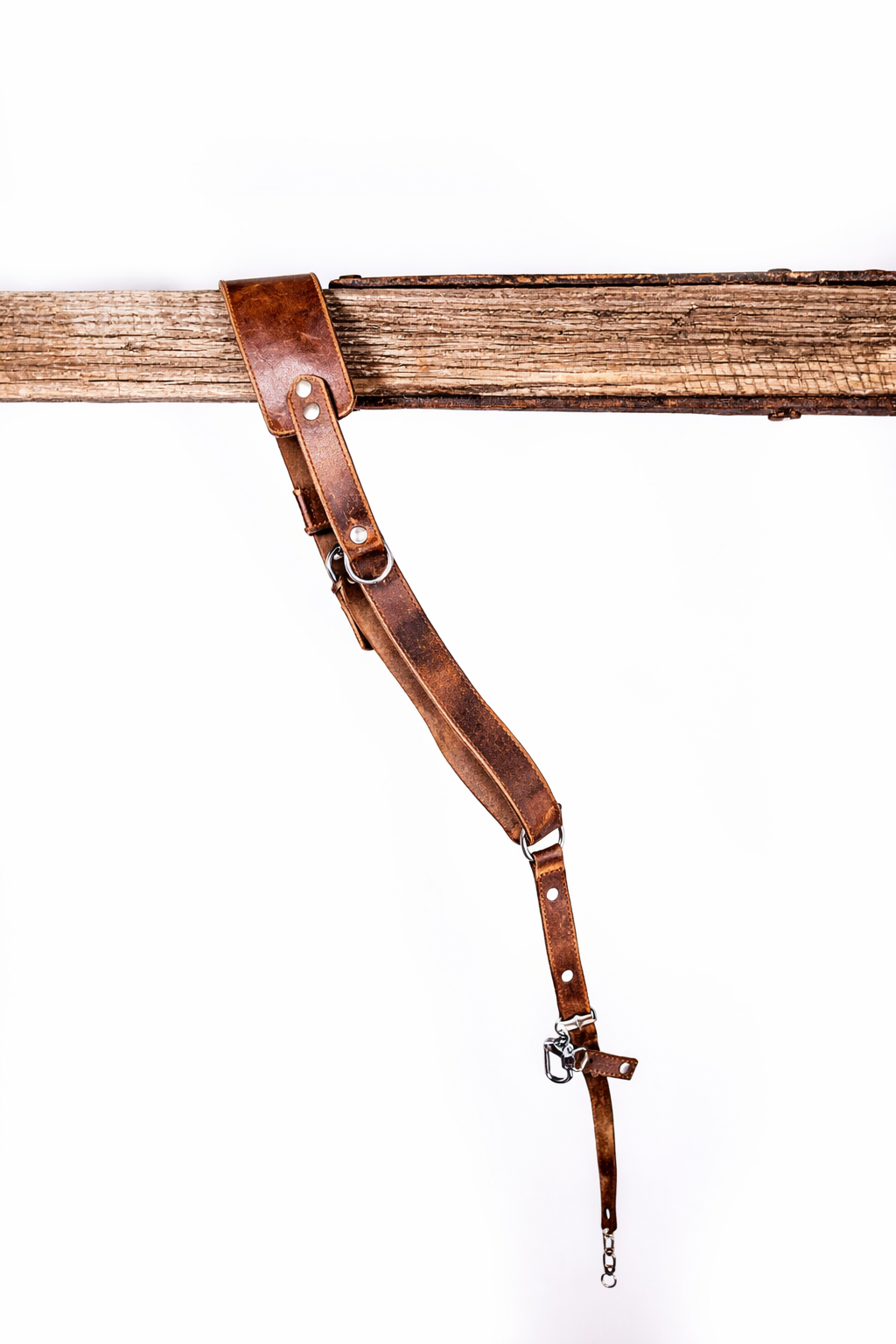
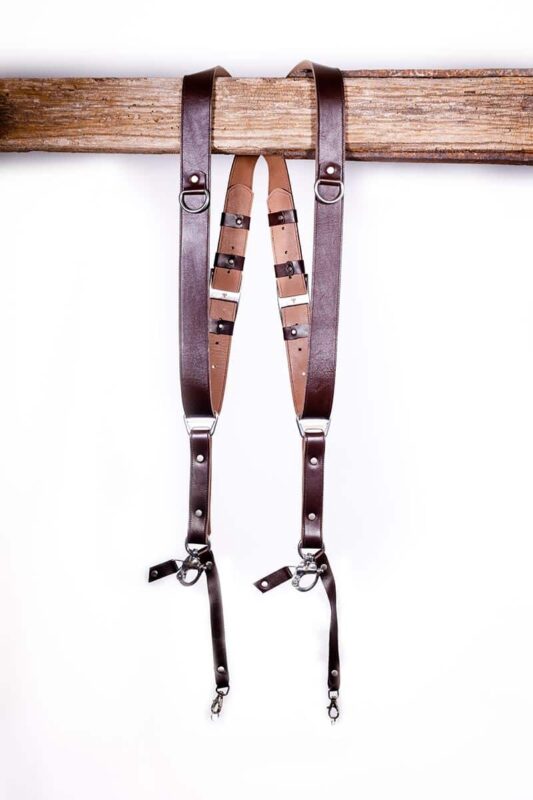
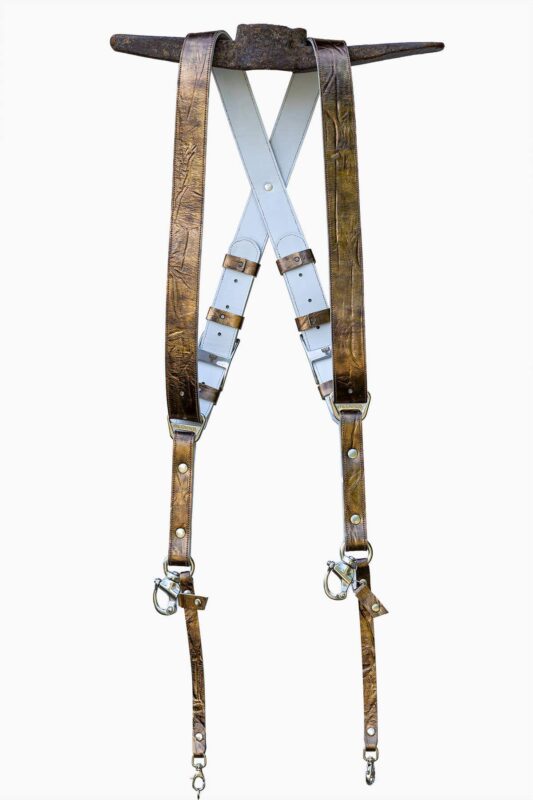
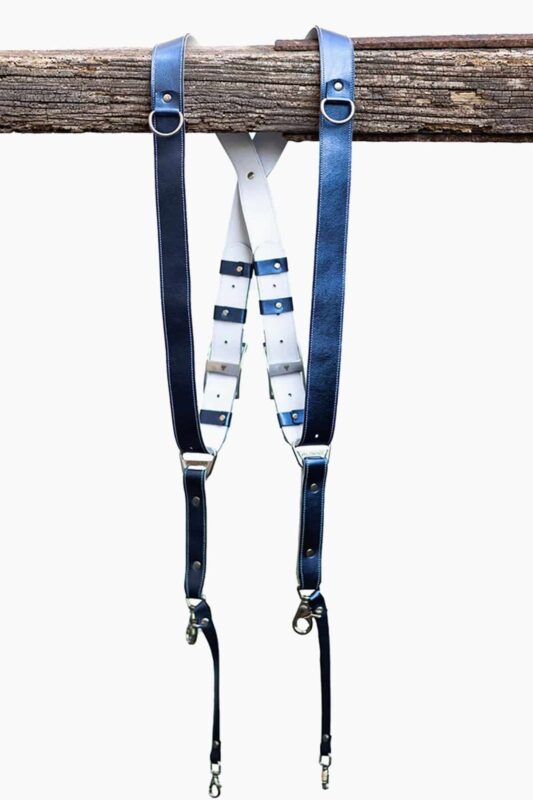
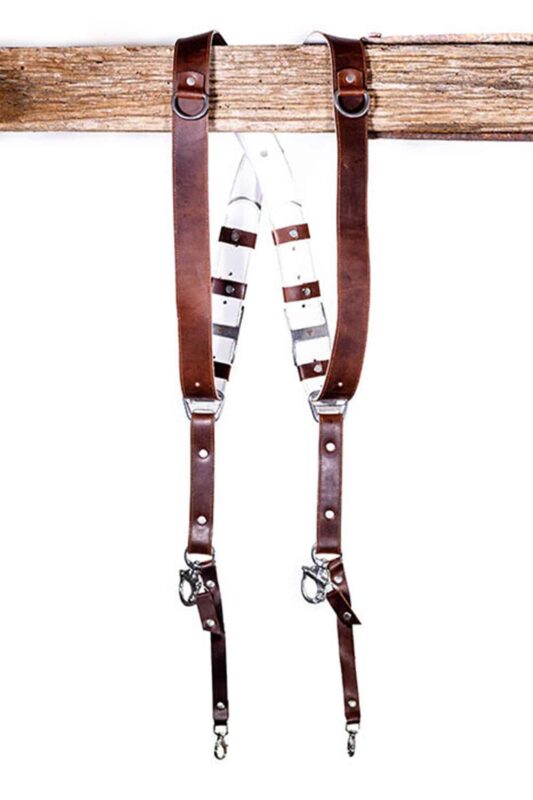
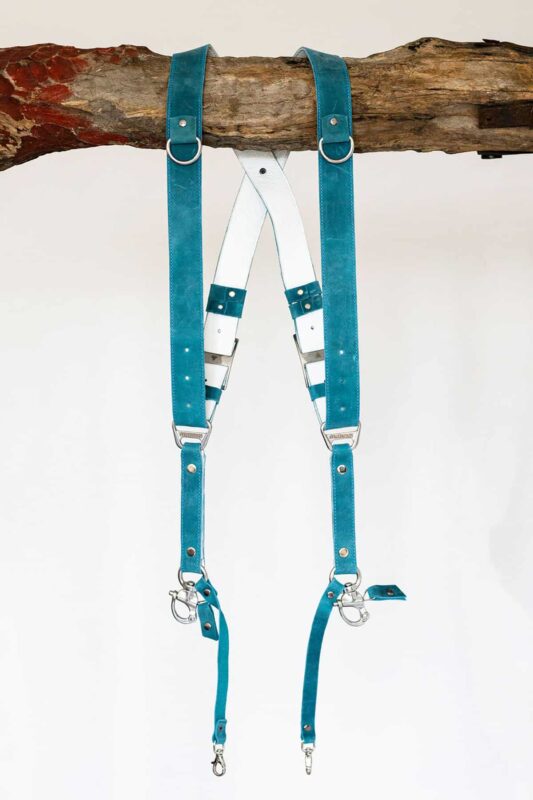
A mirrorless camera with a 35mm fixed lens or a 28mm wide-angle lens. A dark leather shoulder strap (vintage brown or black) that doesn’t scream “tourist photographer.” No flashy camera backpack: it makes it hard to move through the alleys of Yaowarat.
Bangkok is safe, but it’s a metropolis. Use a secure clasp, keep your strap securely fastened, and never leave your camera on tables. A leather strap properly attached with a stainless steel D-ring is the best insurance policy for your gear.
| Item | Recommended | Avoid |
|---|---|---|
| Camera | Full-frame mirrorless | Heavy DSLR |
| Lens | 35mm f/1.4 or f/1.8 | Slow variable zoom |
| Max ISO | 6400 | Limit to 1600 out of caution |
| Aperture | f/1.8 – f/2.8 | f/8 or smaller |
| Camera strap | Discreet dark leather | Colorful travel nylon |
| Security | D-ring + safety | Basic strap without buckle |
In addition to the main neighborhoods, there are four specific spots that offer scenes hard to find elsewhere. All are within a 30-minute reach from downtown.
Talat Noi: a small neighborhood south of Chinatown, known for its graffiti and scooter mechanics. At night, the tourists clear out, but workers and residents remain. The glow of old neon tubes creates a 1970s vibe.
Ratchada Train Night Market: a massive night market that looks like a sea of colorful rooftops from above. Head to the rooftop of the Esplanade Mall for the panoramic view of the lights, then head down for some street photography.
Chao Phraya River by boat: public ferries run late into the night. Board at Saphan Taksin station, get off at Tha Tien or Tha Chang. Reflections of illuminated temples on the river, the hustle and bustle of commuters.
Sukhumvit Soi 11 and surrounding area: side streets with bars and restaurants, a nightlife scene less touristy than Khao San. A mix of lighting from neon signs, LED tubes, and emergency lighting.
Yes, it’s a public area. Vendors generally agree to be photographed if you ask politely. “Khor thot na khrap” (excuse me, please, in a polite tone) often starts a conversation.
NovemberFebruary (dry season). MarchMay is very hot; JuneOctober sees heavy rain, but the photos after the rain are spectacular.
Street photography in Bangkok at night is a lesson in speed, sensitivity, and the right gear. High ISO, wide aperture, and a keen eye for reflections.
A discreet leather shoulder strap, securely fastened with stainless steel hardware, lets you work in the humid alleys of Yaowarat for hours without worrying about your gear. Go for itAsia at night is one of the richest laboratories of contemporary photography.
No account yet?
Create an Account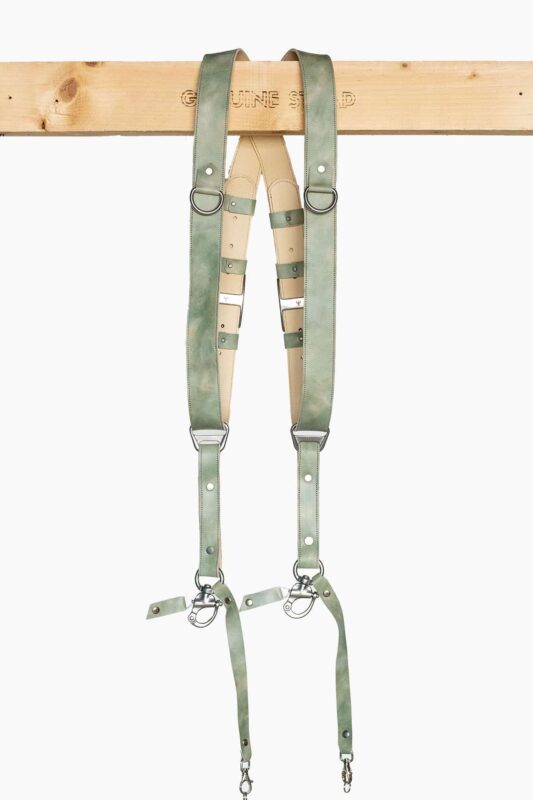

















 Camera Straps Single
 Camera Straps Neck
 Camera Straps Wrist
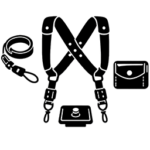 Other Camera Accessories
 Home Decor
 Mouse Pads
 MacBook Sleeves
 Desk Mats
 Bottle Lamps
 Edison Lamps
 Belts
Belts Bow Ties
 Keychains
 Wedding & Formal
 Camera Bags
 Belt Pouches
 Handbags
 Wallets & Cases
 USB Stick
 Engraved Panoply
 Engraved Icons